Tracamyl is taking another important step in making its business operations more sustainable. As part of the company’s CSR policy, continuous investments are being made to reduce energy consumption and minimize dependency on fossil fuels.
Investments in Sustainable Energy Generation
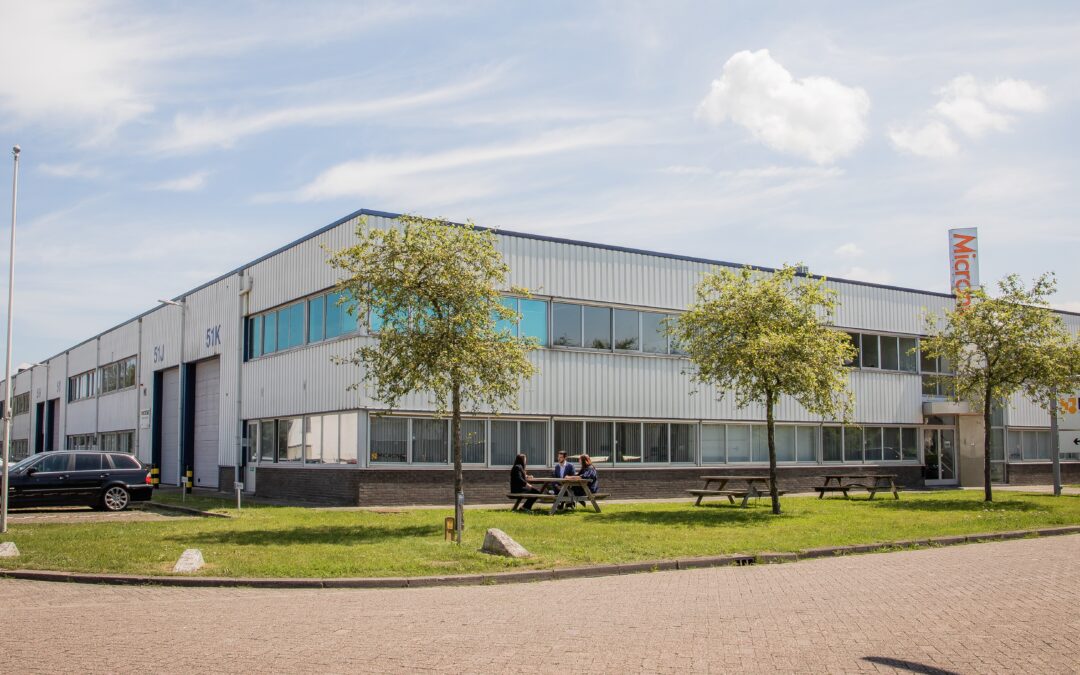
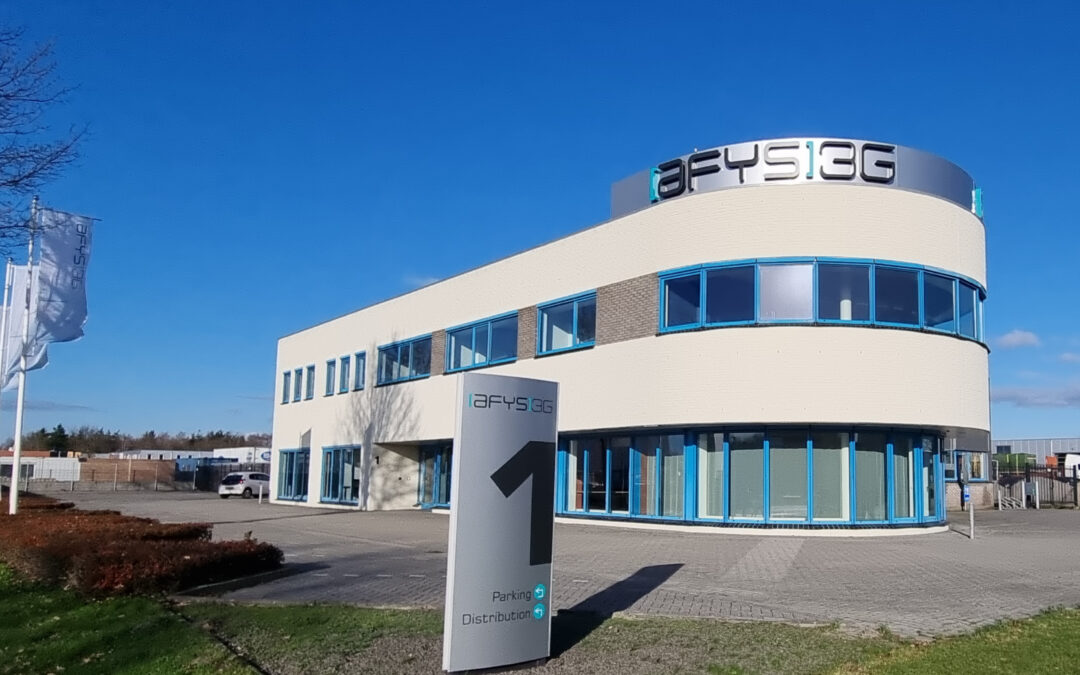
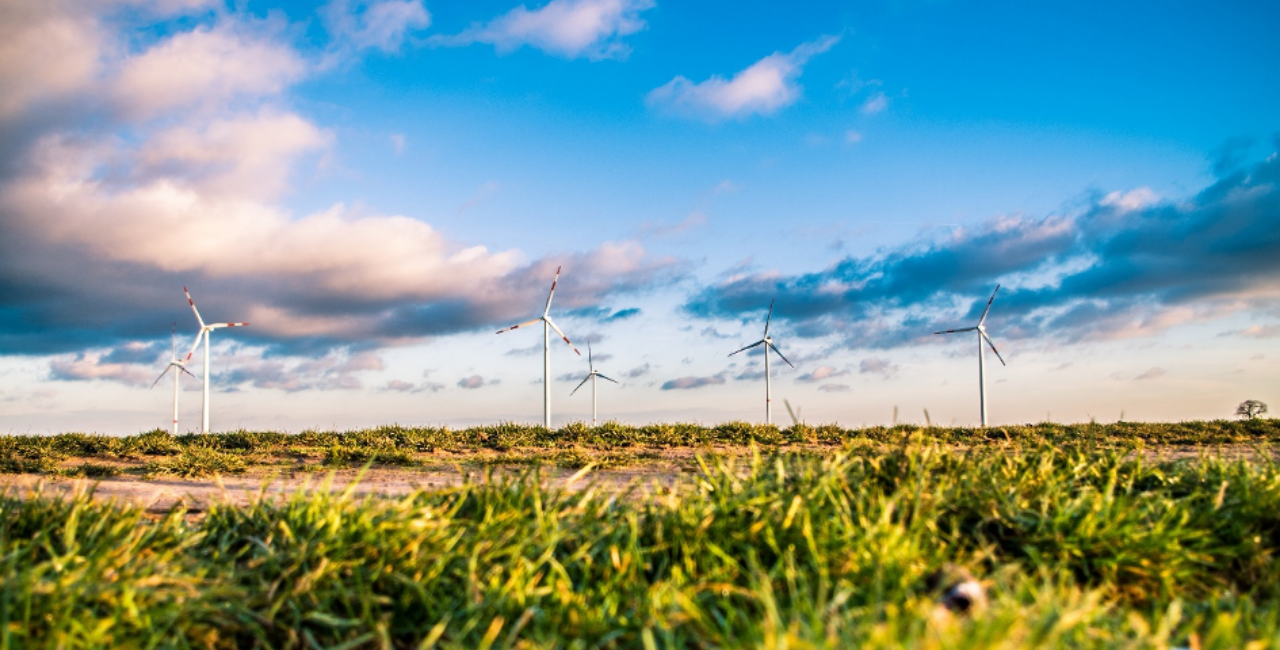
Earlier this year, solar panels were installed at Micronic’s production facility located at Platinastraat 51 in Lelystad. Due to insurance requirements, fire safety considerations, and roof load limitations, only part of the roof is currently suitable for solar energy installation. As a first step, a total of 216 solar panels were installed, currently generating approximately 7% of the facility’s annual energy consumption.
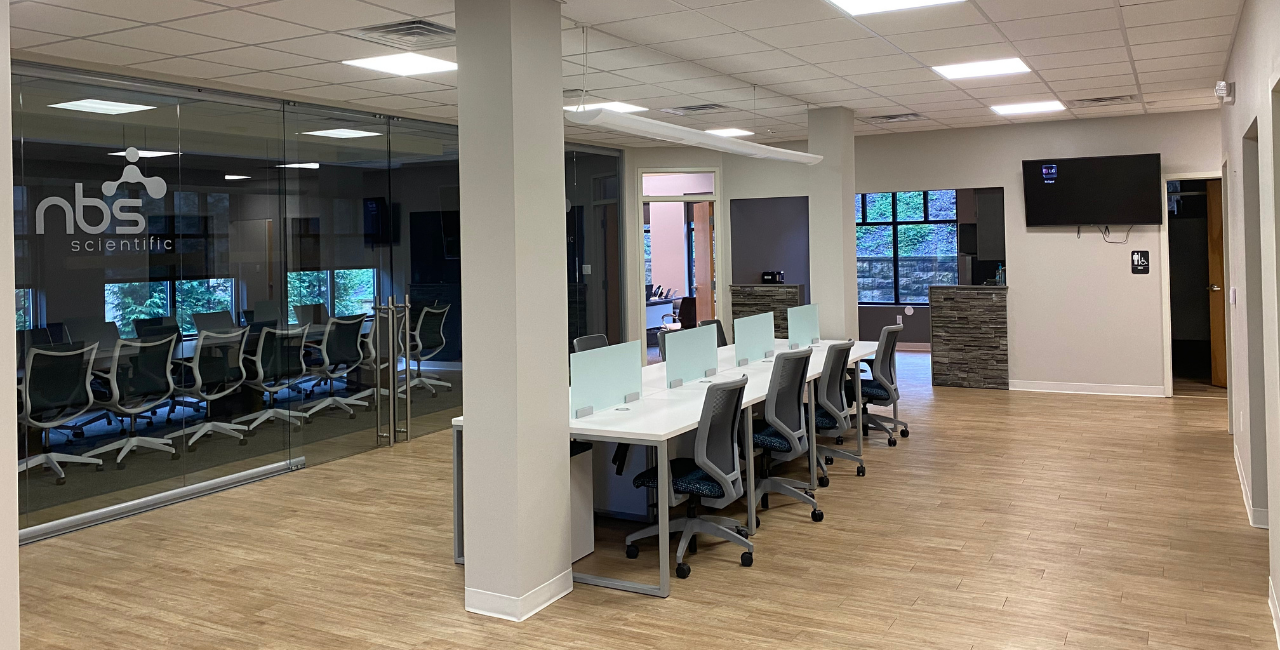
In addition, new solar panels were installed on Monday, May 18, 2026, on the roof of NBS Scientific at Meerpaalweg 6 in Almere. Following the installation of 76 solar panels, the location is expected to achieve approximately 87% energy self-sufficiency. With this expansion, the group continues to increase its own sustainable energy generation capacity.
Broader Energy Transition Strategy
Alongside investments in solar energy, Tracamyl is working on a broader energy transition strategy. Over the coming years, more buildings within the group will be equipped with solar panels and heat pump systems. The ultimate goal is to reduce gas consumption to a maximum of 5% of the organization’s total energy usage.
These initiatives align with both Dutch sustainability legislation and broader international climate objectives, including the European Union’s ambition to significantly reduce CO₂ emissions by 2030 and the global climate goals established under the Paris Agreement. Tracamyl recognizes the importance of contributing to a more sustainable future by continuously improving the environmental performance of its operations.
Environmental Responsibility and Certification
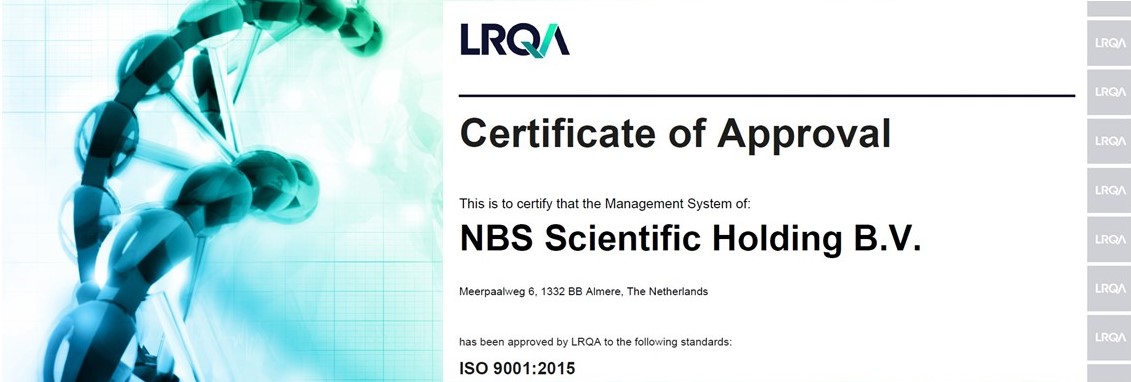
Several companies within the Tracamyl group are also ISO 14001 certified. Within the group, ISO 14001 plays an important role in combining environmental responsibility with high standards in production, quality management, and operational processes. Both Micronic and NBS Scientific publicly communicate their ISO 14001 certifications as part of their commitment to sustainable manufacturing and continuous improvement.
NBS Scientific has also communicated that since 2023 the company has operated carbon-neutral at holding level for its buildings, employee commuting, and business travel activities. This is supported through CO₂ compensation projects, reforestation initiatives, and certified recycling programs in cooperation with organizations such as ORCA and Trees for All.
Sustainability as a Long-Term Business Strategy
Tracamyl views sustainability as more than compliance alone. The company sees these investments as strategically important for long-term cost control, risk reduction, modernization of its real estate portfolio, and strengthening of its position toward international life science customers. This approach aligns well with the increasing ESG expectations within the pharmaceutical, biotech, and global life science industries.
This sustainability strategy also aligns with Tracamyl’s long-term vision of combining responsible entrepreneurship with technological innovation and future-proof business operations. By using energy more intelligently, the organization aims not only to reduce its environmental footprint, but also to contribute to a more sustainable life sciences industry.
The initial focus is on the company’s operations in the Netherlands. However, in the coming years, Tracamyl will also investigate opportunities to further reduce energy consumption and CO₂ emissions at its operations in the United States.
With these investments, Tracamyl underscores its ambition to make sustainability a structural part of business operations across all companies within the group.